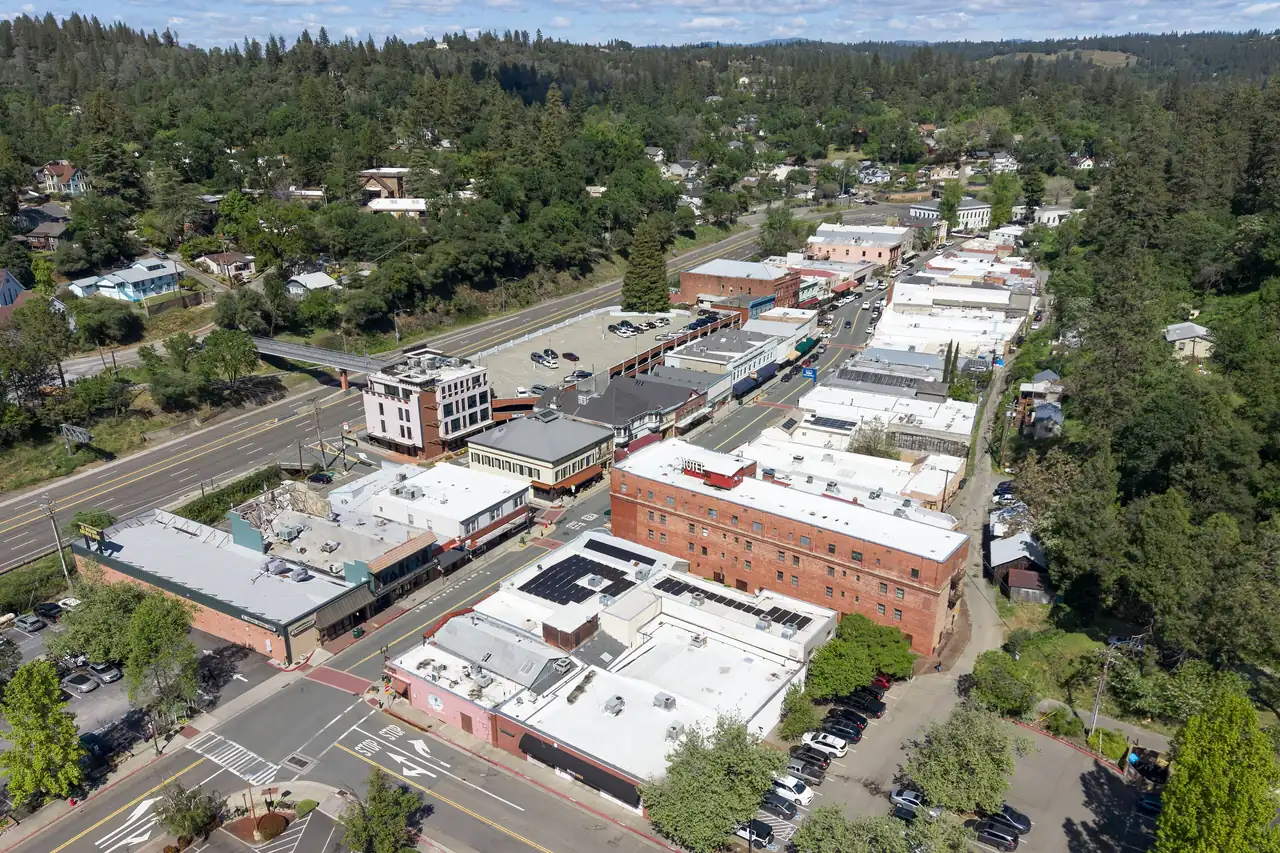
Serving El Dorado County
Book the sweep before the first cold night
Chimney work in this county runs on a calendar that barely moves. The first real cold snap lands somewhere in mid October, everyone lights a fire the same weekend, and the phones do not stop until February. If you call in November you are waiting two to three weeks. If you call in August you are getting scheduled next week at a better price, because nobody is in a hurry and the crews are not stacked up.
That is the single most useful thing to know about this trade here. The work is not seasonal because chimneys are seasonal. It is seasonal because people forget about a chimney until they smell smoke in the living room. A sweep in late summer costs the same as a sweep in December and takes a fraction of the wait.
Call the number on this page and you get connected with a licensed chimney contractor who works this county. They sweep, they inspect, and they handle the repairs the inspection turns up. The contractors we refer cover Placerville and the Highway 50 corridor, the ridge towns above it, and the western county down toward Folsom.
What gets done
Services
Chimney sweeping
Brush and vacuum of the flue, smoke chamber, and firebox. Creosote removed and the draft checked before the season starts.
Sweeping detailsChimney inspection
Level 1 for an annual check, Level 2 when a house changes hands or something has gone wrong. Written report either way.
Inspection detailsChimney repair
Caps, crowns, flashing, spark arrestors, and masonry. Most of what fails up here fails at the top, not inside.
Repair detailsWood stove and insert service
Stoves and inserts need the liner swept and the baffle pulled. Different job from an open fireplace, and more common at elevation.
Wood stove detailsLocal conditions
Why chimneys here foul faster than the manuals say
The standard advice is a sweep every year or every cord of wood. In El Dorado County that advice runs optimistic, and the reason is what people burn.
Most of the wood that gets burned between Placerville and Pollock Pines is what came off the property. That means a lot of pine, cedar, and fir, plus whatever oak was already down. Softwood is not the villain it gets made out to be, but it has to be dry, and wood cut in spring for the following winter is usually not. Unseasoned pine burns cool and wet, and a cool wet fire is exactly the recipe for creosote. The vapor goes up, hits a flue that is colder than it should be, and condenses on the walls as a sticky glaze.
Elevation makes it worse in a way people do not expect. An exterior masonry chimney on a house at 3,900 feet in Pollock Pines spends December with its flue sitting near freezing. The flue gas cools fast, the draft goes lazy, and the deposit rate climbs. The same stove with the same wood at 1,300 feet in Cameron Park will run cleaner simply because the flue stays warmer.
The practical version: if you heat with wood at elevation and you burn what you cut, once a year is a floor, not a target. Plenty of houses above 3,000 feet want a mid-season look. If you burn a couple of decorative fires a winter in an El Dorado Hills gas-converted firebox, you are on a very different schedule, and an annual inspection matters more than an annual sweep.
The stuff that actually starts chimney fires
Creosote comes in three stages and only the first one brushes out easily. Stage one is a light soot you can sweep in twenty minutes. Stage two is a crunchy flake that needs real work. Stage three is a hard tar glaze that has to be chemically treated or mechanically cut off, and a stage three flue is a chimney fire looking for a night with a hot fire in it. The gap between stage one and stage three is usually two or three seasons of skipped sweeps, which is why the annual visit is cheap insurance rather than an upsell.
Not sure what your chimney needs? Describe it on the phone and get a straight answer.
California requirement
Spark arrestors are not optional in most of this county
Most of El Dorado County outside the incorporated cities sits in a State Responsibility Area, and a large share of it is mapped as a high or very high fire hazard severity zone. In those areas California requires a spark arrestor on the chimney of any structure burning solid fuel. The specification is a screen with openings not larger than half an inch and not smaller than three eighths of an inch, in a material that will not rust out in a season.
This gets missed constantly, and it gets expensive in two ways. Insurers have started asking, and a chimney with no arrestor is a finding on a home inspection that can hold up a sale. It is also the cheapest thing on the whole chimney to fix. An arrestor combined with a rain cap is one part and one visit.
Any sweep or inspection through this site includes a look at the arrestor and the cap, because in this county that is the part most likely to be missing or rusted through.
Pricing
What a sweep costs around here
A straightforward sweep of an open fireplace with reasonable access runs about $180 to $280 in this county. Wood stoves and inserts run higher, roughly $220 to $350, because the liner has to be swept and the baffle and any catalytic parts have to come out and go back. A Level 2 inspection with camera work is typically $250 to $450 depending on how many flues are in the house.
What moves the number is access and condition, not brand or fanciness. A steep metal roof in Camino, a two-story exterior stack, a flue that has not been touched in six years, or a stage three glaze all add time. The full breakdown, including what the add-ons actually are, is on the chimney sweep cost page.
Common questions
How often does a chimney need sweeping?
Once a year for anything burned regularly, and that is a minimum rather than a rule of thumb. If you burn wood you cut yourself at elevation, budget for a mid-season check as well. If you burn a handful of fires a year, an annual inspection still matters even when the sweep can wait, because caps, crowns, and arrestors fail whether you use the fireplace or not.
How long does a sweep take?
Most single-flue sweeps take about an hour to ninety minutes including setup and cleanup. A stove or insert takes longer because of the teardown. If the contractor finds stage three creosote, they will stop and quote that separately rather than push through it, because removing glaze is a different job with different tools.
Will it make a mess in the house?
It should not. The work runs off a HEPA vacuum with the firebox sealed, and drop cloths go down before anything else happens. If you are hearing about soot on the carpet, something went wrong with the setup, not the sweep.
Do I need an inspection to sell my house?
A Level 2 inspection is the standard for a property transfer, and buyers and agents in this county ask for it routinely on any house with a wood-burning appliance. It includes camera work inside the flue and covers accessible areas of the chimney the annual check does not. Details are on the inspection page.
What areas do the contractors cover?
Placerville, Cameron Park, Shingle Springs, Diamond Springs, El Dorado Hills, Camino, Pollock Pines, and Georgetown, plus the smaller communities between them. Anything up Highway 50 in winter depends on the weather and the road.
Get on the schedule before the fall rush starts.