Service
Chimney sweeping in Placerville and El Dorado County
A chimney sweep removes the creosote and soot that build up inside your flue every time you burn a fire, and checks that the whole system is still drafting the way it should. In this county it runs about $180 to $280 for an open fireplace and $220 to $350 for a wood stove or insert. Call to get connected with a licensed local chimney contractor.
That is the short version. The longer version matters, because sweeping is the one piece of chimney maintenance that is cheap, routine, and boring right up until the year somebody skips it three times in a row.
Book before the October rush and you are scheduled inside a week.
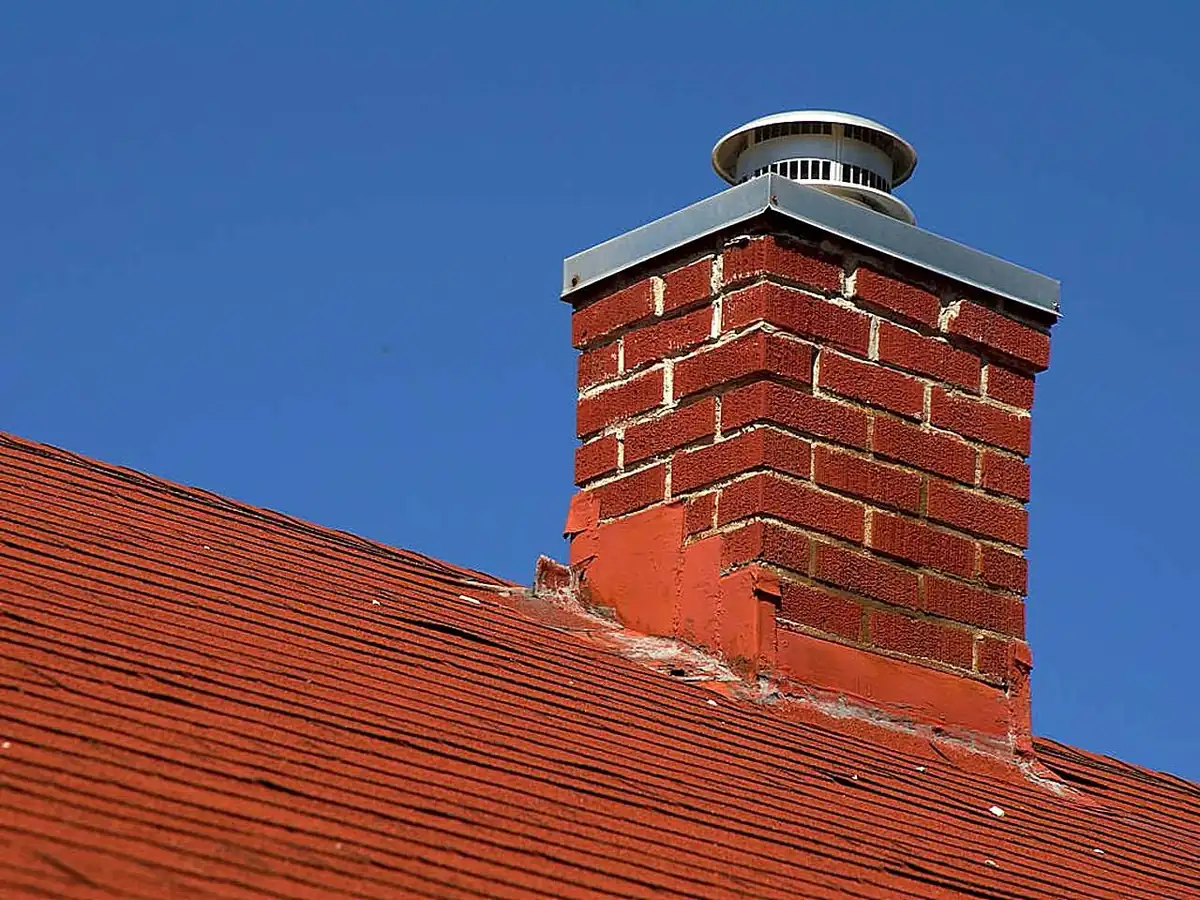
What actually happens during a sweep
A sweep is not a person with a brush and a hopeful attitude. The sequence looks like this.
- Setup and containment. Drop cloths go down. The fireplace opening gets sealed and a HEPA vacuum is connected so the flue stays under negative pressure the whole time. This is the step that decides whether your living room is clean afterward, and it is the step cheap operators skip.
- Inspection first, not last. A quick look before anything gets disturbed, because a cracked flue tile or a collapsed liner changes the job from a sweep into a conversation.
- Brushing the flue. Rods and a brush sized to your flue, worked from the top down or the bottom up depending on access and roof condition. Poly brushes for metal liners, wire for clay tile. Using the wrong one scores a liner, which is a real and expensive mistake.
- Smoke chamber and shelf. The area above the damper collects the worst of the deposit because it is where the flue narrows and the gas slows down. It gets hand-worked. Skipping it is the most common shortcut in the trade.
- Firebox and damper. Cleaned, and the damper checked for free movement. A damper rusted half open is a heating bill nobody diagnoses.
- Cap and arrestor check. From the roof: is the cap intact, is the spark arrestor screen there and not rusted through, is the crown cracked.
- Debris out and a verbal rundown. What was found, what is fine, what needs watching, what needs doing.
Most single-flue sweeps take an hour to ninety minutes end to end. If someone is in and out in twenty minutes, you did not get all of the above.
The equipment involved
The tools tell you a lot about who is on your roof. A working chimney contractor shows up with rotary rod systems and flexible whips for offsets, a HEPA-rated vacuum (a shop vac blows soot straight through the filter and back into your house), an inspection camera on a long push rod, and brushes in multiple materials and diameters. Wire brushes are for clay tile. Poly brushes are for stainless liners. Rotary chain heads are for glaze and get used carefully, because they can cut liner as easily as creosote.
If the truck rolls up and the whole kit is a brush and a bucket, that is not a sweep, that is a visit.
How often, honestly
The standard guidance is once a year, or after every cord burned. In El Dorado County that is a floor rather than a target, and the reason is elevation and wood.
Most people burning wood between Placerville and Pollock Pines are burning what came off their own property: pine, cedar, fir, and whatever oak was already down. Softwood is fine when it is genuinely dry, but wood cut in spring for the next winter is not dry, it is optimistic. Unseasoned wood burns cool and wet, and cool wet smoke hitting a cold flue condenses into creosote instead of leaving the building.
Elevation compounds it. An exterior masonry stack at 3,900 feet in Pollock Pines runs a flue near freezing through December. Gas cools faster, draft goes lazy, deposits climb. The identical stove burning identical wood at 1,300 feet in Cameron Park stays cleaner because the flue stays warmer. That is not a small difference. It is the difference between annual service and a mid-season check.
| Situation | Sweep frequency |
|---|---|
| Primary wood heat above 3,000 feet, own-cut wood | Annually, plus a mid-season look |
| Primary wood heat, seasoned purchased wood | Annually, without fail |
| Regular weekend fires, foothill elevation | Annually |
| A few decorative fires a winter | Sweep as needed, inspect annually |
| Gas insert or gas logs | Inspect annually, no sweep needed |
Note the last two rows. If you barely burn, you still need the annual inspection, because caps, crowns, and arrestors fail from weather whether you light a fire or not.
Signs you are overdue
Any one of these means call. Two of them means call now.
- Smoke coming back into the room. Draft is restricted. Something is in the way or the flue is too cold.
- A sharp tarry smell, worst on warm humid days when the chimney is not in use. That is creosote off-gassing.
- Black flakes or shiny tar visible above the damper. Shiny is stage three and is the bad one.
- Fires that will not catch or will not stay lit without leaving the door cracked.
- A roaring or ticking sound during a hot fire. That can be a chimney fire in progress. Get out and call 911 first, a sweep second.
- Birds, scratching, or nesting material. Common here in spring. Get the animal out, then get a cap on so it does not repeat.
What does creosote removal cost?
Creosote removal costs nothing extra at stage one, pushes a sweep to the top of its range at stage two, roughly $250 to $320, and adds $300 to $800 on top of the sweep at stage three. Stage one is dusty soot that brushes out inside a normal sweep. Stage two is a crunchy flake that needs more passes and sometimes a rotary head. Stage three is a hard tar glaze that does not brush at all and needs rotary work or chemical treatment across multiple visits.
The path from stage one to stage three is roughly two or three skipped seasons plus wet wood. So the arithmetic is straightforward: a $220 sweep every year, or a $900 project and a flue that has been a fire risk the whole time you were saving money. This is the cheapest insurance in home maintenance and it is the one people skip.
Not sure how long it has been? That by itself is a reason to book.
What a sweep does not cover
Sweeping is cleaning. It is not repair and it is not a real estate inspection. If the contractor finds a cracked flue tile, a failed crown, or a missing spark arrestor, that gets quoted separately, and that is correct rather than a bait and switch. See chimney repair for what those jobs involve, and the inspection page if you are buying or selling and need a Level 2 with a written report.
If you heat with a stove or an insert rather than an open fireplace, the job is different enough that it has its own page. See wood stove and insert service.
The spark arrestor gets checked every time
Most of El Dorado County outside the incorporated cities sits in a State Responsibility Area, and California requires a spark arrestor on the chimney of any structure burning solid fuel there. The screen has to have openings no larger than half an inch and no smaller than three eighths. Any sweep through this site includes a look at it, because in this county it is the single part most likely to be missing, rusted out, or never installed. Full pricing on caps and arrestors is on the cost page.
Questions about sweeping
Will it make a mess in my house?
It should not. Done properly the firebox is sealed and a HEPA vacuum holds the flue under negative pressure for the whole job, with drop cloths down before anything else. Soot on the carpet means the containment was wrong, not that sweeping is inherently messy.
Do I need to be home?
Yes, for interior access, and it is worth it anyway. The verbal rundown at the end is the most useful part of the visit, and you want to see whatever the camera saw.
Should the fireplace be cold?
Completely. No fires for at least 24 hours before the appointment. A warm firebox is unworkable and ash that is still live is genuinely dangerous.
Can I just sweep it myself?
You can brush a straight flue with a rod kit, and plenty of people here do. What you cannot do from a ladder is see the smoke chamber, judge whether a deposit is stage two or stage three, or spot a hairline crack in a flue tile. The brushing is the easy part. Knowing what you are looking at is the job.
How far up Highway 50 do the contractors go?
Through Pollock Pines routinely. Above that in winter it depends on the road and the weather. Book earlier in the season if you are up high.
Get connected with a licensed local chimney contractor.